State Management in 2026: The End of Global Store Bloat
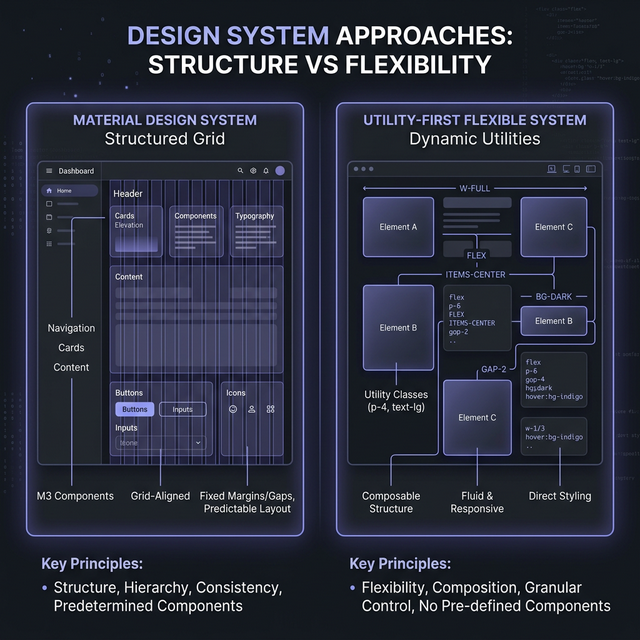
State Selection Matrix
Server State: The Great Migration
In 2026, we've realized that 90% of our "global state" was just a cache for server data. With the rise of React Server Components (RSC) and libraries like TanStack Query, we've moved that data back to where it belongs: the fetching layer. This simplifies everything from complex data tables to simple feature sections.
Zustand: The Pragmatic Standard
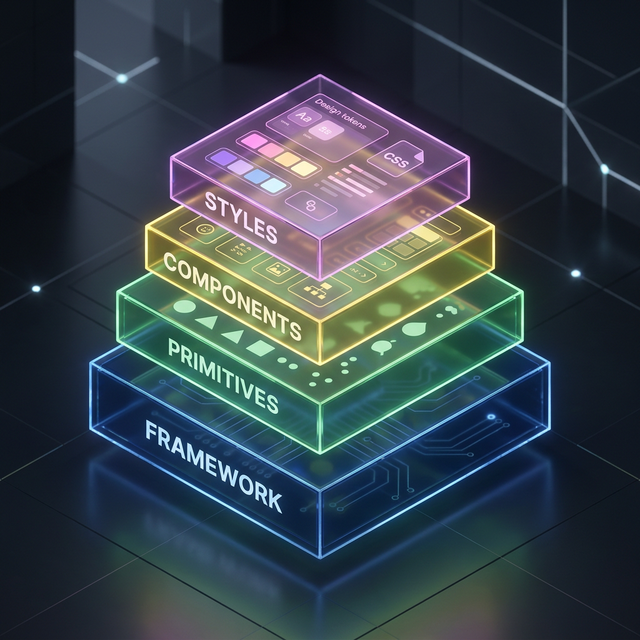
Minimalism first: Why Zustand is the developer favorite for UI-only state in 2026.
For the remaining UI state—modal toggles, theme settings, or temporary filter states in a SaaS dashboard—Zustand has become the standard. It offers the power of a global store with a hook-based API and none of the boilerplate of Redux. It's the perfect companion for navigation components that need to share state across deep trees.
Atomic State with Jotai
When you need fine-grained control over individual pieces of state without re-rendering your whole app, Jotai's bottom-up "atomic" approach is superior. This is particularly effective for highly interactive pages like image galleries or real-time analytics charts.
Signals in React
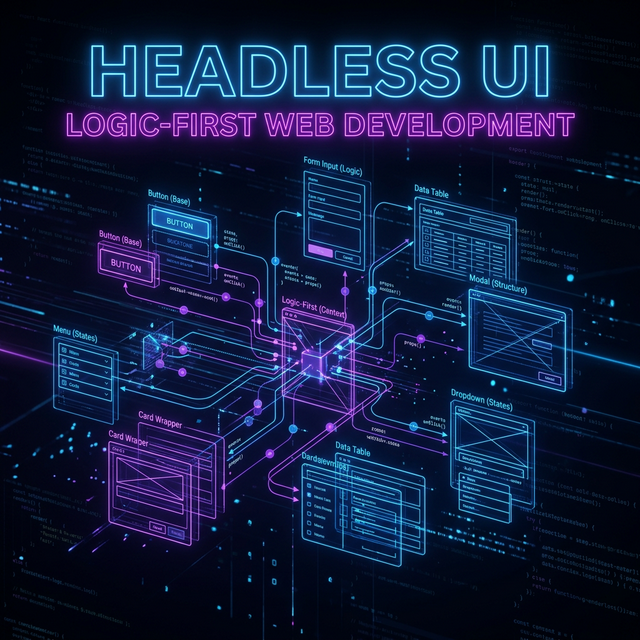
While not officially part of the core React API yet, the "Signals" pattern from Preact and Solid has influenced how we build libraries in 2026. High-performance button systems and form managers now use signal-like patterns to update the DOM directly, bypassing the virtual DOM reconciliation for micro-interactions.
Frequently Asked Questions
Is Redux still worth learning?
Yes, for legacy enterprise application maintenance. However, for new projects, you can almost always achieve better results with less code using Zustand or TanStack Query.
When should I use React Context?
Context is great for "Static" state that rarely changes, like themes or localized strings. Avoid using it for rapidly changing data, as it will cause unnecessary re-renders across your entire landing page.
Explore State-Driven Components
Keep Your State Lean
The secret to scale is simplicity. IndoUI's components are designed to be state-agnostic, allowing you to use whatever management library fits your project's unique requirements.
Build Smarter with IndoUI